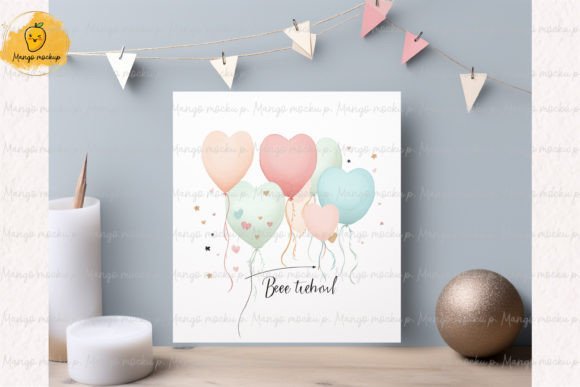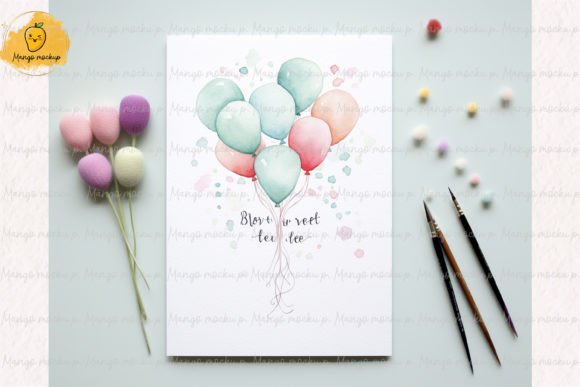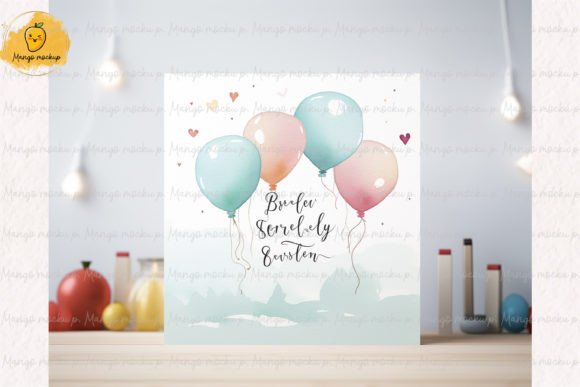
Birthday Card for Kid: Navigating Digital Downloads and Usage Rights
Finding the perfect way to celebrate a child’s special day often leads parents, teachers, and party planners toward creative digital solutions. When you search for a Birthday Card for Kid, you are likely looking for something that stands out from mass-produced store-bought options. You want something personalized, visually striking, and ready to use. This is where high-resolution digital illustrations come into play. However, the gap between finding a beautiful image and successfully using it can be filled with confusion regarding file formats, resolution standards, and licensing terms.
Many creators and small business owners stumble when purchasing digital assets because they overlook the technical specifications or misinterpret the terms of use. Understanding these nuances is crucial. It ensures that the final product looks professional, respects intellectual property rights, and meets your specific design needs without unexpected costs or quality issues.
Understanding High-Resolution Digital Assets
When browsing online marketplaces, you will encounter listings for digital downloads described as "high resolution." But what does this actually mean for your project? A common specification you might see is a file size of 3750x3000 pixels at 300 DPI. These numbers are not arbitrary; they represent the industry standard for print-quality graphics.
DPI (Dots Per Inch) refers to the density of ink dots on paper. For any physical output—such as a printed birthday card, a banner, or a flyer—300 DPI is the threshold for sharpness. If you were to take an image meant for web use (typically 72 DPI) and try to print it at this size, it would appear pixelated and blurry. By choosing a Birthday Card for Kid asset that explicitly states 300 DPI, you guarantee that the colors remain vibrant and the lines crisp, whether you are printing a single copy for a family member or bulk orders for a classroom.
The dimensions of 3750x3000 pixels provide ample space for detailed illustrations. This aspect ratio is close to standard print sizes, allowing you to crop or scale the image with minimal loss of quality. It gives designers the flexibility to incorporate text, borders, or other elements without compromising the integrity of the original artwork.
Illustrations vs. Photographs
Another critical distinction to make is between stock photography and digital illustrations. Most modern digital art assets are renderings created by artists, not photographs taken with a camera. This difference matters significantly for customization.
- Photographs capture real-world lighting and textures, which can sometimes clash with custom typography or branding colors.
- Illustrations offer a cohesive aesthetic that is easier to blend with various design styles. They often feature cleaner lines and more vibrant, controlled color palettes.
When you purchase a Birthday Card for Kid illustration, you are buying a versatile canvas. Because it is not a photo of a specific child or location, it feels universal yet personal. It allows you to add names, ages, and specific details through graphic design software, creating a truly unique keepsake.
Decoding Terms of Use: Personal vs. Professional
One of the most frequent mistakes buyers make is assuming that purchasing a digital file grants them unlimited rights to do whatever they wish with it. Licensing agreements are legal contracts, even if they are short and simple. Ignoring these terms can lead to serious consequences, including account bans or legal action.
Most reputable sellers specify clear Terms of Use. Typically, these allow for both personal and professional purposes. This means you can:
- Use the image for your own child’s birthday party invitations.
- Incorporate the image into designs for clients who are running a business.
- Use the image in marketing materials for your own small business or blog.
However, there are strict boundaries. The most common violation is reselling or redistributing the raw file. You cannot buy the Birthday Card for Kid JPG and then upload it to another free download site, sell it as part of a clipart bundle, or share the file with friends via email. The value lies in the service of creation and distribution; bypassing the creator undermines their livelihood.
Why Watermarks Disappear After Purchase
You may notice that preview images on marketplace sites have watermarks or text overlays. It is important to understand that downloaded files will not have watermark or text. The watermark is a security measure to prevent theft before a transaction occurs. Once you complete the purchase, you receive the clean, high-resolution master file. This is why it is essential to save your downloaded files immediately to a secure folder. If you lose the file, you usually cannot re-download it unless the platform provides a permanent library access, so keep backups.
Common Pitfalls in Digital Design Projects
Even with the correct file, errors in the workflow can ruin the final result. Here are practical warnings to help you avoid poor decisions when designing with your new asset.
Ignoring File Formats
The listing specifies a JPG format. While JPG is excellent for photos and complex gradients, it is not ideal for designs requiring transparent backgrounds. If you need to place the birthday illustration over a colored background without a white box around it, a JPG will not work well. In such cases, you should look for PNG files with transparency. However, if your plan is to print a standard card with a solid background or frame the image, JPG is perfectly sufficient and widely compatible with all printing services.
Scaling Down Too Much
While scaling up a low-resolution image causes blurriness, scaling down a high-resolution image like the 3750x3000 pixel file is generally safe. However, ensure your design software is set to the correct color mode. Printers require CMYK color mode, while screens use RGB. Many digital illustrations are exported in RGB. Before sending your design to a professional printer, convert the colors to CMYK to prevent shifts in hue—bright blues might turn muddy if not adjusted correctly.
Overlooking Aspect Ratios
A 3750x3000 pixel image has a 5:4 aspect ratio. Standard greeting cards are often 5:7 or 4:6. If you simply stretch the image to fit a card template, it will distort. Instead, use the extra resolution to crop the image tightly around the main subject. This ensures that the character or theme of the Birthday Card for Kid remains prominent and undistorted, filling the card effectively without awkward empty spaces.
Final Checklist Before You Create
To ensure a smooth experience, review this checklist before starting your project:
- Verify Resolution: Confirm the file is 300 DPI for your intended print size.
- Check Licensing: Ensure you are using the image within the allowed personal or commercial scope.
- Backup Files: Save the downloaded JPG in multiple locations (cloud and local drive).
- Test Print: Always print a draft on regular paper first to check alignment and color accuracy before using expensive cardstock.
By paying attention to these details, you transform a simple digital download into a professional-grade product. The goal is not just to have an image, but to create a memorable experience for the birthday child. With the right tools and knowledge, your Birthday Card for Kid will be a standout piece that reflects care, creativity, and attention to detail.