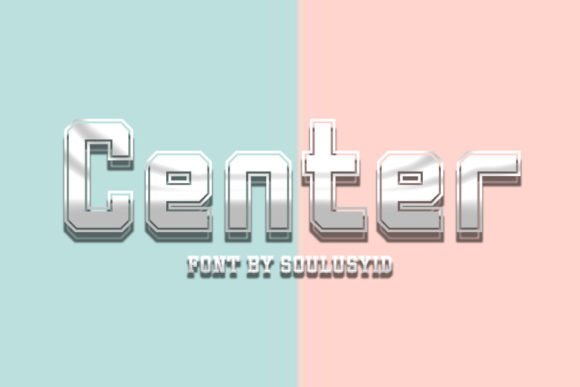
Center: Why This Elegant Sans-Serif Might Be the Missing Piece in Your Design Toolkit
In a digital landscape saturated with geometric grotesques and overly stylized display fonts, finding a typeface that strikes the perfect balance between readability and sophistication can feel like searching for a needle in a haystack. Enter Center, an elegant sans-serif font that seamlessly blends traditional influences into a contemporary aesthetic. It is not just another generic font file; it is a versatile design asset capable of elevating everything from personal branding to high-stakes corporate presentations.
Many designers and business owners overlook the subtle power of typography until it is too late. They chase trends, download random packs, or settle for default system fonts that fail to convey their brand’s unique voice. Center offers a compelling alternative. Whether you are creating greeting cards, designing t-shirts, or building a website, understanding how to leverage this specific typeface can significantly improve the perceived quality of your work. However, simply downloading the font is only the first step. To truly utilize Center effectively, one must understand its nuances, common pitfalls, and best practices for application.
The Appeal of Traditional Meets Modern
What makes Center stand out is its hybrid nature. Purely modern sans-serifs can sometimes feel cold or sterile, while traditional serif fonts may appear outdated or overly formal on digital screens. Center bridges this gap. Its letterforms retain the clean lines and open apertures typical of contemporary design, yet they possess a warmth and structural integrity derived from classical typographic principles. This duality makes it incredibly adaptable.
For entrepreneurs and small business owners, this adaptability translates directly into brand cohesion. You can use Center for a logo where you need distinct character, then switch to body text where you need effortless readability. For educators and bloggers, it provides a professional backdrop that does not distract from the content. The font’s inherent elegance allows it to command attention without shouting, making it ideal for luxury branding, editorial layouts, and minimalist web design.
Common Mistakes When Using Center
Even with a high-quality font like Center, poor execution can lead to subpar results. Below are frequent errors creators make when incorporating this typeface into their projects, along with practical advice on how to avoid them.
Ignoring Weight Variations
A common misconception is that a single weight of a sans-serif font is sufficient for all purposes. While Center is beautiful in its regular form, relying solely on it for hierarchy can result in flat, unengaging designs. Many users fail to explore the full family, missing out on the impact that bold or light weights can have.
- The Mistake: Using only the regular weight for headings, body text, and captions, leading to a lack of visual distinction.
- The Correction: Establish a clear typographic scale. Use a heavier weight for primary headlines to create anchor points, reserve the regular weight for body copy, and consider using italics or lighter weights for pull quotes or secondary information. This creates rhythm and guides the reader’s eye naturally through the content.
Misjudging Spacing and Kerning
Elegant fonts often require more generous spacing than chunky, informal typefaces. Because Center has refined proportions, tight letter-spacing can cause the characters to bleed into each other, destroying the airy, sophisticated feel that defines the font.
- The Mistake: Applying default tracking settings used for blockier fonts, resulting in cramped text that feels cheap and hard to read.
- The Correction: Increase letter-spacing (tracking) slightly, especially in all-caps headings or short phrases. This enhances legibility and reinforces the premium aesthetic. Pay close attention to kerning pairs, particularly around letters with diagonal strokes, to ensure consistent visual gaps between characters.
Overusing Decorative Applications
While Center is elegant, it is primarily a functional sans-serif. Some designers mistakenly treat it as a display font for massive, distorted headlines, which can distort its intended proportions and undermine its clarity.
- The Mistake: Stretching or heavily distorting the font for artistic effect, which breaks the illusion of professionalism and can damage brand credibility.
- The Correction: Let the font speak for itself through size contrast and placement rather than distortion. If you need a more decorative element, pair Center with a complementary script or serif font for accents, but keep Center upright and true to its shape for core messaging.
Strategic Applications Across Media
Understanding where Center shines helps in making smarter design decisions. Here is how different professionals can maximize its potential.
Branding and Identity
For logos and business cards, Center’s neutrality is a strength. It does not overpower graphic elements, allowing icons and color palettes to take center stage while providing a solid textual foundation. When designing business cards, ensure there is ample white space around the name and title. The elegance of the font works best when it has room to breathe, signaling confidence and attention to detail.
Digital Presence: Websites and Social Media
In the realm of web design, load times and readability are paramount. Center, being a well-constructed sans-serif, typically renders cleanly across various devices and screen sizes. However, before embedding Center on a website, check its licensing terms regarding web fonts. Ensure you are using the correct format (WOFF2) for optimal performance. For social media graphics, such as Instagram posts or Pinterest pins, Center serves as an excellent choice for overlay text because it remains legible even at smaller sizes against busy backgrounds.
Print Materials: Menus and Posters
Restaurant menus and event posters benefit greatly from the traditional undertones of Center. It evokes a sense of history and trustworthiness, which is crucial for hospitality and event planning. When designing menus, use different weights to distinguish between item names, descriptions, and prices. A bold weight for dish names paired with a lighter weight for descriptions creates a scannable layout that improves the customer experience.
Before You Download: Essential Checks
Not all font sources are created equal. Before integrating Center into your workflow, perform these due diligence steps to ensure quality and legal compliance.
- Verify Licensing: Determine if you need a desktop license for print materials or a web license for online use. Using a font without the proper license can lead to costly legal issues, especially for commercial projects.
- Check File Integrity: Ensure the downloaded package includes all necessary weights and styles. A complete family allows for greater flexibility in design. Look for OpenType features if available, such as ligatures or alternate glyphs, which can add polish to your typography.
- Test on Target Devices: Preview the font on both mobile and desktop screens. Sans-serifs can sometimes render differently depending on the operating system’s anti-aliasing technology. Adjust line heights and font sizes accordingly to maintain readability.
Final Thoughts on Elevating Your Design
Choosing the right typeface is a strategic decision that impacts communication efficiency and brand perception. Center is not merely a decorative choice; it is a tool for clarity and elegance. By avoiding common mistakes related to spacing, weight usage, and licensing, you can harness its full potential. Whether you are a freelancer crafting a portfolio or a marketer launching a campaign, giving Center the thoughtful consideration it deserves will result in designs that are not only visually appealing but also effective and professional. Take the time to experiment, respect the font’s structure, and let its balanced aesthetic do the heavy lifting in your creative projects.