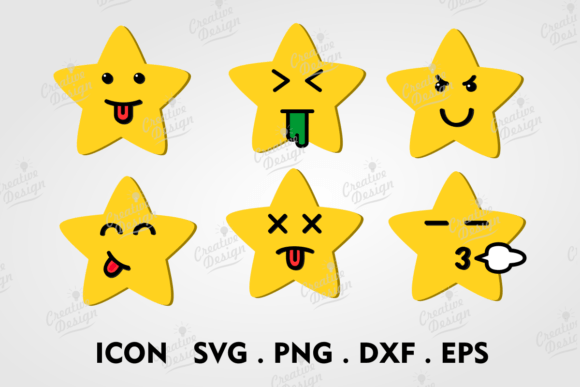
Sly, Tongue out, Vomit, Whistling Icon: A Practical Guide to Smart Vector Asset Selection
When you are designing a brand identity, creating marketing materials, or developing a mobile application, the smallest details often carry the most weight. One such detail is the choice of iconography. Specifically, assets like the Sly, Tongue out, Vomit, Whistling Icon can serve as powerful visual shorthand for humor, mischief, or irreverent branding. However, selecting and implementing digital vector assets requires more than just clicking "download." It demands an understanding of file formats, scalability, and commercial viability.
Many creators overlook the technical nuances of vector graphics, leading to pixelated images on large prints or files that cannot be edited in professional software. This guide aims to help you navigate these pitfalls, ensuring that your use of icons like the Sly, Tongue out, Vomit, Whistling Icon enhances your projects rather than hindering them.
Understanding the Asset: What Is a Vector Icon?
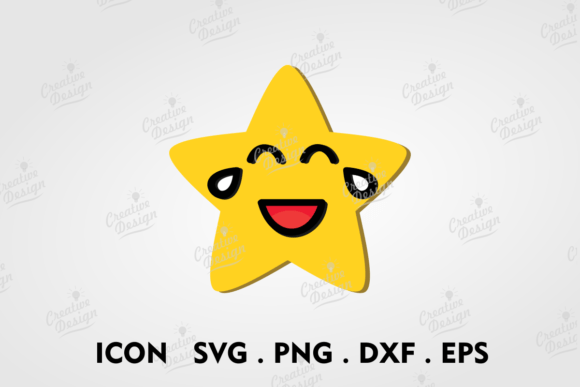
Before diving into specific features, it is crucial to understand what makes a vector icon different from a standard raster image. The Sly, Tongue out, Vomit, Whistling Icon described here is available in multiple formats, including SVG, PNG, DXF, and EPS. Each format serves a distinct purpose, and choosing the wrong one for your project is a common beginner mistake.
- SVG (Scalable Vector Graphics): Ideal for web design and responsive layouts. SVGs remain crisp at any size because they are based on mathematical equations rather than pixels.
- PNG (Portable Network Graphics): Best for platforms that do not support SVG natively or when you need a transparent background for quick insertion into presentations or simple graphics. The 5000px resolution mentioned ensures high fidelity for print or large displays.
- EPS (Encapsulated PostScript): The industry standard for print design and professional illustration software like Adobe Illustrator. EPS files allow for deep editing of paths and colors.
- DXF (Drawing Exchange Format): Essential for laser cutting, vinyl cutting, and CNC machinery. If you plan to turn this icon into a physical product like a wood sign, this is the critical file type.
Common Mistakes in Icon Usage and How to Avoid Them
Even with high-quality assets, errors in implementation can compromise the final result. Here are the most frequent issues creators face when using icons like the Sly, Tongue out, Vomit, Whistling Icon, along with practical advice on how to correct them.
1. Ignoring File Compatibility
A frequent error is downloading an SVG file and attempting to open it in a basic image editor that does not support vector data. Conversely, trying to use an EPS file directly in a web browser without conversion will result in broken links or missing images. Always verify the software you intend to use before selecting your download format. For web developers, stick to SVG. For graphic designers preparing print collateral, EPS is usually the safest bet.
2. Overlooking Commercial Licensing
Just because you can download an icon does not mean you have the right to sell products featuring it. Many users assume that all downloadable icons are free for commercial use. This is rarely true. Before creating shirts, mugs, or party decor items, carefully review the license agreement associated with the Sly, Tongue out, Vomit, Whistling Icon. Some licenses restrict the number of physical items you can produce, while others may prohibit resale entirely. Misunderstanding these terms can lead to legal complications and financial loss.
3. Failing to Check Resolution and Scalability
The description notes that the PNG file is available at 5000px, which is excellent for high-resolution printing. However, if you scale a low-resolution raster image up, it will become blurry and pixelated. On the other hand, vectors like SVG and EPS can be scaled infinitely without quality loss. When designing for various devices—from mobile apps to billboards—always start with the vector source file. Editing the original vector allows you to adjust colors and sizes precisely, whereas editing a raster image locks you into its initial pixel grid.
4. Neglecting Design Context and Tone
The icon itself—a sly figure with its tongue out, possibly vomiting or whistling—carries a specific tone. It is playful, perhaps slightly crude, and definitely attention-grabbing. Using this icon in a formal corporate presentation or a serious educational module can create a jarring disconnect with your audience. Ensure that the visual language of the icon aligns with your brand voice. For a youth-oriented clothing line, a tech startup with a fun culture, or a humorous greeting card, this icon works well. For a medical clinic or a law firm, it is likely inappropriate.
Maximizing Usability Across Platforms
The versatility of the Sly, Tongue out, Vomit, Whistling Icon lies in its multi-format availability. To get the most out of this asset, consider the following applications:
- Mobile Apps and Websites: Use the SVG version for crisp rendering on Retina displays. You can easily change the color via CSS to match your app’s theme, ensuring consistency without needing new image files.
- Print Materials: Utilize the EPS file for brochures, business cards, and posters. This allows you to embed the icon in high-resolution PDFs without worrying about compression artifacts.
- Physical Products: If you are crafting custom wood signs, tumblers, or shirts, the DXF file is indispensable. It provides the precise cut lines needed for vinyl cutters and laser engravers. Ensure your machine’s software supports DXF import before starting your production run.
- Social Media and Presentations: The 5000px PNG is perfect for Instagram posts, Facebook banners, or PowerPoint slides where vector support might be limited. Its high resolution ensures it looks sharp even when viewed on large screens.
Evaluating Quality Before You Commit
Not all icon packs are created equal. When evaluating the Sly, Tongue out, Vomit, Whistling Icon or any similar asset, look for these indicators of quality:
- Pixel Perfection: Check if the lines are clean and consistent. Poorly drawn icons often have jagged edges or uneven stroke widths.
- Editability: Open the EPS or SVG file in a vector editor. Can you separate the elements? Can you change individual colors? A good vector asset should be modular, allowing for customization.
- File Size vs. Quality: While smaller file sizes load faster, they should not come at the cost of essential detail. Ensure the vector paths are optimized but not overly simplified to the point of losing character.
Final Thoughts on Smart Asset Management
Choosing the right icon is a balance of aesthetic appeal and technical functionality. The Sly, Tongue out, Vomit, Whistling Icon offers a robust solution for creators looking to add a touch of whimsy to their work. By understanding the differences between SVG, PNG, DXF, and EPS formats, you can avoid common pitfalls related to compatibility, quality, and licensing.
Remember to always test your chosen format in the environment where it will be used. Whether you are designing a t-shirt for a local event, coding a feature for a mobile app, or preparing a slide deck for a client, the right asset choice saves time and elevates the final product. Take the time to verify your files, respect licensing agreements, and ensure the icon’s tone matches your message. With these steps, you can confidently integrate this versatile icon into your creative workflow, knowing it will perform reliably across all devices and platforms.